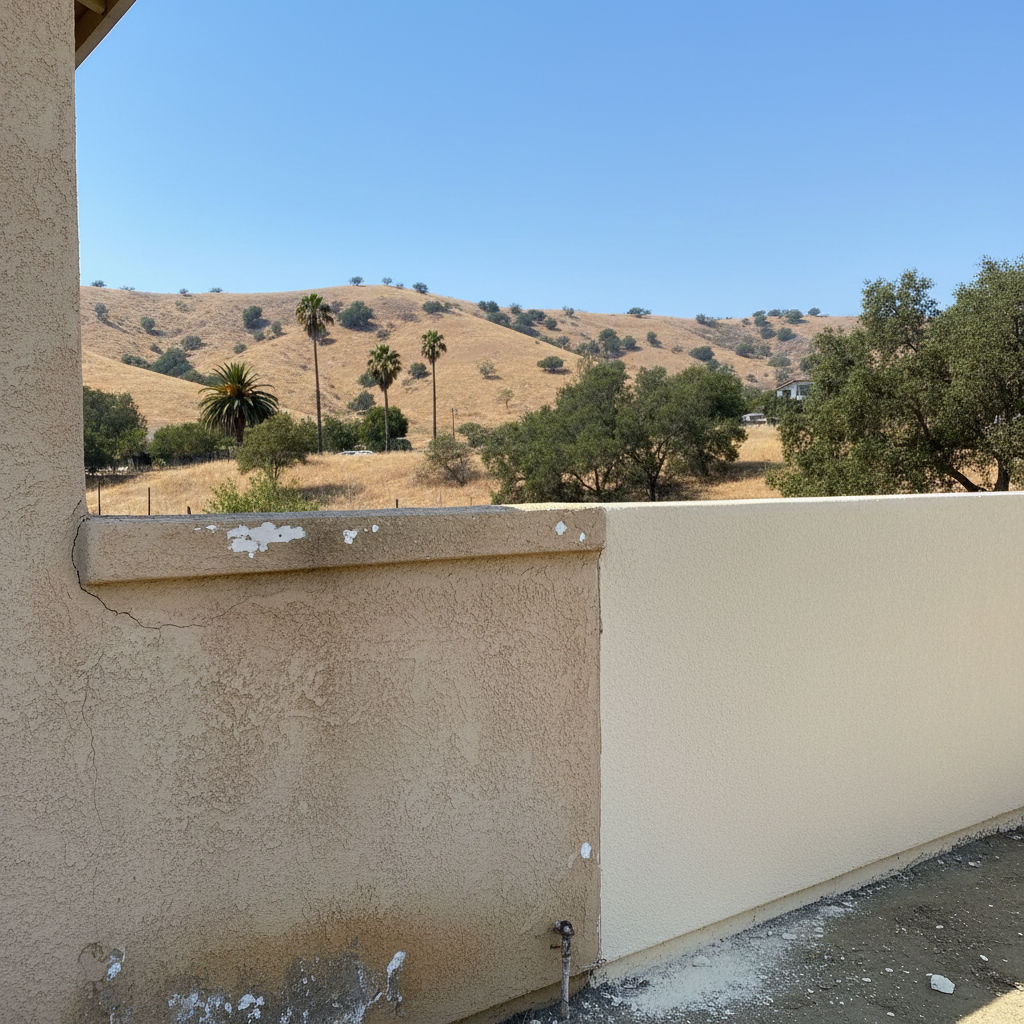
Your stucco looks pretty rough, and you know it's time to do something about it. But what exactly? For many homeowners right here in Simi Valley, the big question usually boils down to two main choices: do you rip all that old stucco off down to the sheathing, or do you just go right over it with a new layer? Both methods have their place, but they're definitely not the same. As someone who's been doing this work for years, I've seen both approaches done well, and honestly, done pretty poorly too. Let's talk about what you really need to know.
Stucco Over Stucco: The Overlay Method
This is often the first thing folks ask about, probably because, on the surface, it sounds like the easier, cheaper way to go. And sometimes, it can be. With an overlay, what we're doing is putting a new stucco system directly over your existing one. It's not just slapping on a coat of paint, though. We still have to get the surface ready, make sure it's clean, stable, and that the new material will stick well.
The Good Stuff:
- Cost: Usually, it costs less upfront. You save money on the labor and disposal fees you'd have with tearing off the old stucco.
- Speed: The job generally finishes quicker since there's less demolition work involved.
- Minimal Disruption: Less mess, less noise, and your home's inside isn't exposed to the elements for as long during the project. This can be a really big deal if we happen to get one of those Santa Ana wind events.
The Downsides:
- Condition is Key: This method only works if your existing stucco is in pretty good shape. If it's got wide cracks, delamination (where layers are peeling apart), or moisture problems, putting new stucco over it is kind of like putting a band-aid on a broken leg. The underlying issues won't just disappear; they'll probably pop up again.
- Weight: You're adding more weight to your home's exterior. Most houses can handle it, but it's definitely something to think about, especially with older homes.
- Lost Detail: If your current stucco has fancy architectural details, an overlay can sometimes soften or hide them.
- No Moisture Barrier Upgrade: This is a huge one. You don't get a new, continuous moisture barrier, which is super important for keeping water out. If your old system's barrier isn't doing its job, an overlay won't fix that problem.
Full Tear-Off and Re-Stucco: The Comprehensive Approach
This is exactly what it sounds like: we strip everything right down to the sheathing. All the old stucco, lath, and paper come off. Then, we build a brand-new stucco system from scratch, just like we would for a new build.
The Advantages:
- Complete Inspection: This is huge. Once that old stucco is gone, we can check the sheathing, framing, and all the areas around windows and doors for hidden damage like rot or mold. We've seen so many homes in Simi Valley from the 70s and 80s that had small leaks for years, and the homeowners never knew until we opened up the wall.
- New Moisture Barrier: You get a completely new, properly installed weather-resistive barrier (WRB) system. This is your home's main defense against water, and having a fresh, intact one is priceless for long-term protection.
- Long-Term Durability: A new, correctly installed system will usually last longer and perform better than an overlay, especially when it comes to managing moisture.
- Modern Materials: You can take advantage of newer, more advanced stucco materials and systems that offer better performance, crack resistance, and even insulation.
- Fresh Start: You get a totally clean slate for how it looks, the color, and the texture.
The Disadvantages:
- Higher Cost: There's no way around it; a full tear-off costs more upfront because of the extra labor for demolition, disposal fees, and often, more material.
- Longer Project Time: More steps mean the job takes longer.
- More Disruption: It's a messier, noisier process, and your home's exterior will be exposed for a bit.
My Recommendation for Simi Valley Homeowners
Look, I get it. Nobody wants to spend more money than they absolutely have to. But when it comes to replacing stucco, especially here in Simi Valley where we get that intense summer sun and occasional heavy rains, I almost always lean towards a full tear-off and re-stucco.
Why? Because the peace of mind and long-term protection you get from a brand-new, properly installed moisture barrier and a thorough check of your home's structure is absolutely worth the extra investment. We've just seen too many cases where an overlay seemed like a good idea, only for hidden moisture issues to pop up a few years down the road, costing the homeowner even more in repairs. What a headache!
If your stucco is just faded or has minor surface imperfections, an overlay might be an option. But if you've got significant cracking, bulging, or you suspect any water is getting in, don't even consider an overlay. You really need to get to the root of the problem.
At Simi Valley Stucco & Plastering, we always start by carefully checking your existing stucco to give you an honest recommendation. We'll walk you through what we find and explain why one approach might be better for your specific home and its condition. Your home is a big investment, after all; protecting it properly is always the smart play.