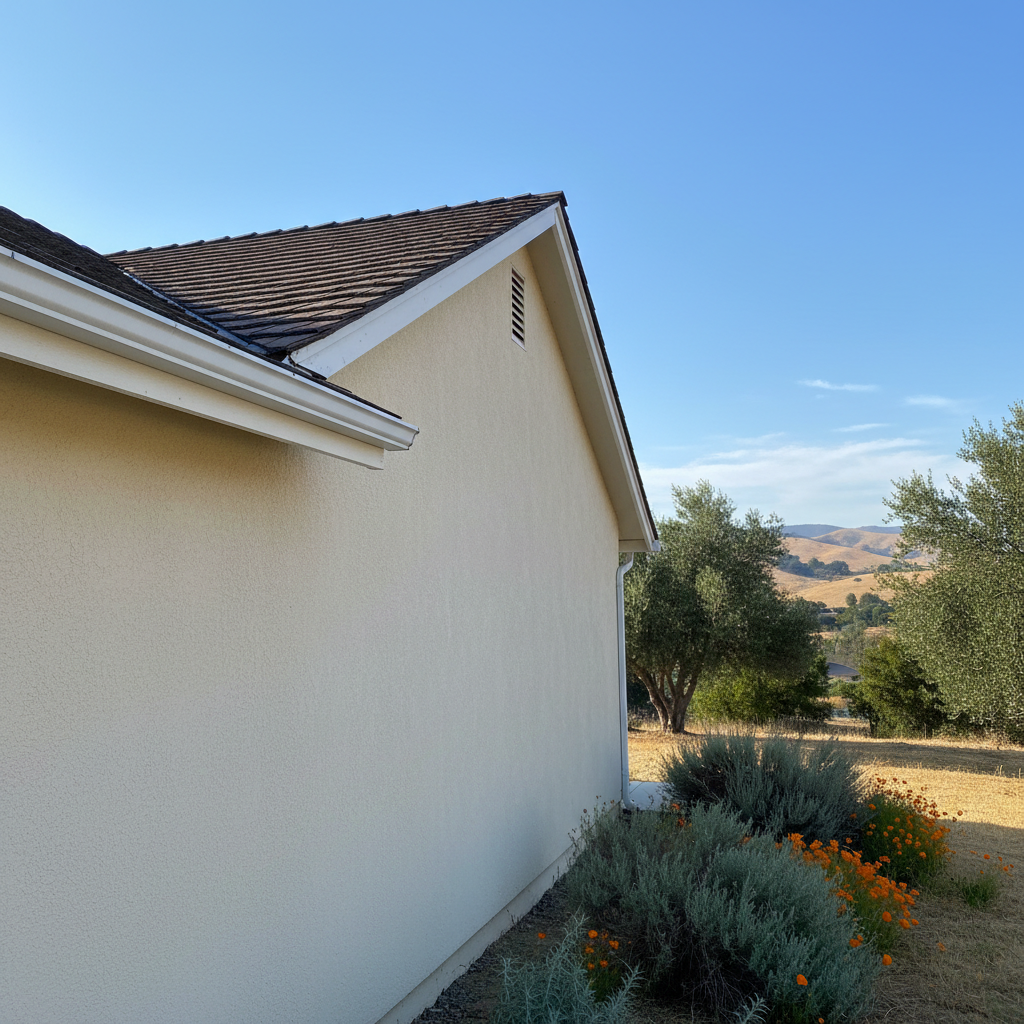
You've got a commercial building right here in Simi Valley, and let's be honest, it probably has stucco. Why? Well, it's tough, looks pretty good, and frankly, it just makes sense for our climate. But even the strongest materials need a little looking after, especially when we're talking about a commercial property. You can't just slap it on and forget about it. That stucco exterior is the very first thing your clients, customers, or tenants see. You want it to make a great impression, don't you?
Making Your Commercial Stucco Last Longer
So, how do you make sure that stucco job holds up for as long as possible? It really comes down to a few key things. First off, regular cleaning is a huge deal. I know, it sounds super simple, but you'd be surprised how many commercial properties I see where the stucco is just caked with dirt, dust, and grime. Our dry, dusty conditions here in Simi — especially after a Santa Ana wind whips through — mean that stuff settles fast. A good, soft wash every year or two can seriously make a world of difference. You're not just making it look better; you're stopping buildup that can trap moisture or encourage mold and mildew, even in our relatively dry environment.
Another big one is handling water correctly. Stucco absolutely hates standing water. So, make sure your gutters and downspouts are clear and actually directing water away from the building's foundation. Give your irrigation system a check too – I've seen plenty of stucco damage from sprinklers constantly spraying a wall. It might seem minor, but over time, that constant dampness will break down the finish and can even mess with the stuff underneath. Pay close attention to areas around windows and doors; those are common spots for water to sneak in if the flashing isn't doing its job or the sealants have dried out.
Finally, think about using a good quality sealant or paint made specifically for stucco. This isn't always necessary right away, especially with modern synthetic stuccos. But as the building gets older, a breathable elastomeric coating can add an extra layer of protection against the elements, UV rays, and even minor bumps. It's kind of like putting a good clear coat on your car – it just helps everything last longer.
What Does Regular Maintenance Actually Look Like?
For a commercial property, regular maintenance isn't just about fixing problems; it's about stopping them before they start. Here's what I tell my clients:
- Annual Visual Inspection: Take a walk around the entire building, inside and out. Look closely at the stucco. See any cracks? Discoloration? Is anything peeling or bubbling? Pay extra attention to corners, around openings like windows and doors, and up near the roofline.
- Cleaning Schedule: Depending on your spot and how much dust or pollution your building gets, plan for a soft wash every 1-3 years. You don't need high pressure; that can actually damage the stucco. A gentle detergent, a soft brush, and a garden hose are usually all you need.
- Sealant Checks: Every couple of years, check the caulking and sealants around windows, doors, and any penetrations (like pipes or vents). Our intense summer sun here in Simi can really dry out and crack those sealants, creating pathways for water. If they're cracked or missing, reapply a high-quality, paintable exterior caulk.
- Landscape Management: Keep shrubs and trees trimmed back from the stucco. Plants growing directly against the wall can trap moisture, rub against the surface, and even let insects get into the building.
Signs of Stucco Trouble
You don't need to be a stucco expert to spot trouble. There are some pretty clear warning signs that something's just not right:
- Cracks: Hairline cracks are common and usually not a huge deal, but if you see cracks that are wider than a credit card, or if they're forming a spiderweb pattern, or running diagonally from a window or door corner, that's a red flag. Those can mean structural movement or water is getting in.
- Discoloration or Stains: Dark streaks, especially under windows or near the roofline, often mean water is getting in somewhere. Green or black patches usually indicate mold or mildew, which points to persistent moisture.
- Bubbling, Blistering, or Peeling: If the stucco finish itself is bubbling up or peeling away, it's a sure sign of moisture trapped underneath. This is a serious issue that needs immediate attention.
- Soft Spots: Press gently on the stucco in various places. If it feels soft or spongy, or if it gives way easily, you likely have wood rot or significant moisture damage behind the stucco.
- Efflorescence: This looks like a white, powdery substance on the surface. It's mineral salts left behind when water evaporates from within the wall. It means water is getting into the wall system and then drying out, leaving the salts behind.
When to Call a Pro
Look, you can handle a lot of the basic stuff yourself or with your regular maintenance crew. Cleaning, checking gutters, trimming plants – that's all manageable. But when you start seeing those warning signs I just mentioned, that's when you need to call in someone who knows stucco. Don't wait. A small crack can become a major repair if left unchecked, especially with our occasional heavy rains that can really push water into compromised areas.
If you're seeing significant cracking, bubbling, widespread discoloration, or soft spots, it's time to get an expert opinion. We can properly diagnose the issue, figure out the root cause (which isn't always obvious), and recommend the right repair. Sometimes it's a simple patch, other times it might involve more extensive water intrusion remediation. Here at Simi Valley Stucco & Plastering, we've seen it all, from older homes in the Santa Susana Knolls to newer commercial builds along Madera Road. We know what our local climate does to stucco, and we know how to fix it right so it lasts.
Protecting your commercial property's stucco isn't just about how it looks; it's about protecting your investment and preventing bigger, more expensive problems down the road. A little proactive care goes a long way.